CNC Router Traders can help woodworking businesses choose, install, and maintain the right CNC router, improving production efficiency, precision, customization, and overall profitability.
A woodworking business needs the right machinery to maintain quality, increase production, reduce manual work, and improve profit margins. A CNC router can help businesses automate cutting, carving, engraving, and shaping processes with consistent accuracy. However, choosing the right machine, configuration, and support can be challenging, especially for businesses investing in CNC technology for the first time.
This is where CNC Router Traders can help. A reliable trader can assist with machine selection, sourcing, installation, operator training, and after-sales support. By choosing a CNC router that matches your materials, production volume, product requirements, and future business goals, you can make better use of your investment and improve overall manufacturing efficiency.
What Is a CNC Router?
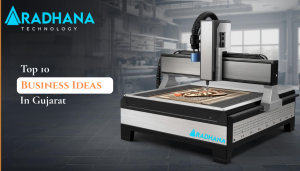
A CNC router is a computer-controlled machine used to cut, carve, engrave, and shape materials according to a programmed digital design. CNC stands for Computer Numerical Control. Instead of relying completely on manual cutting and measurements, the machine follows programmed instructions to perform operations with consistent accuracy.
CNC routers are widely used in woodworking and can process materials such as wood, MDF, plywood, acrylic, and other compatible materials depending on the machine configuration.
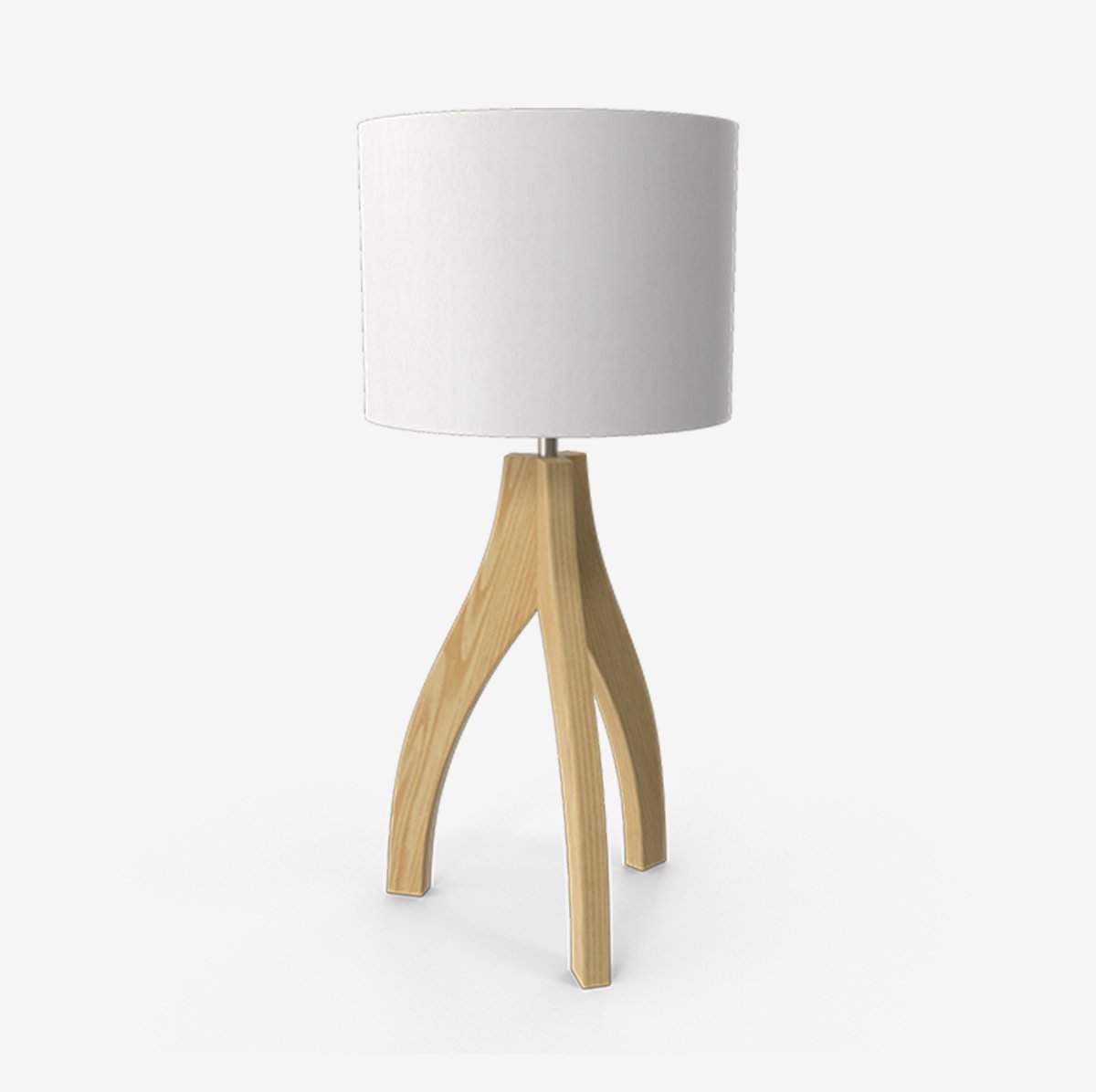
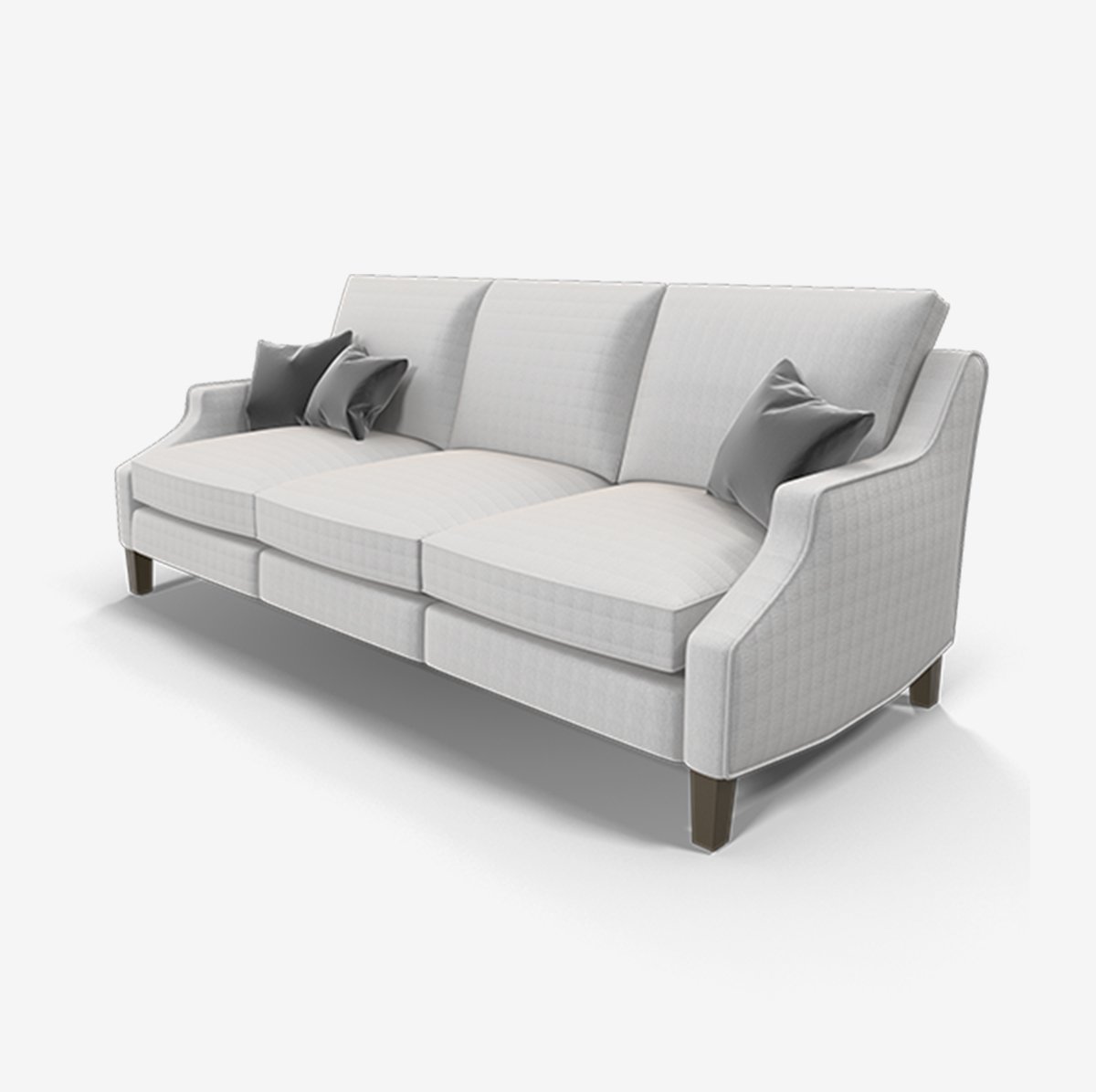
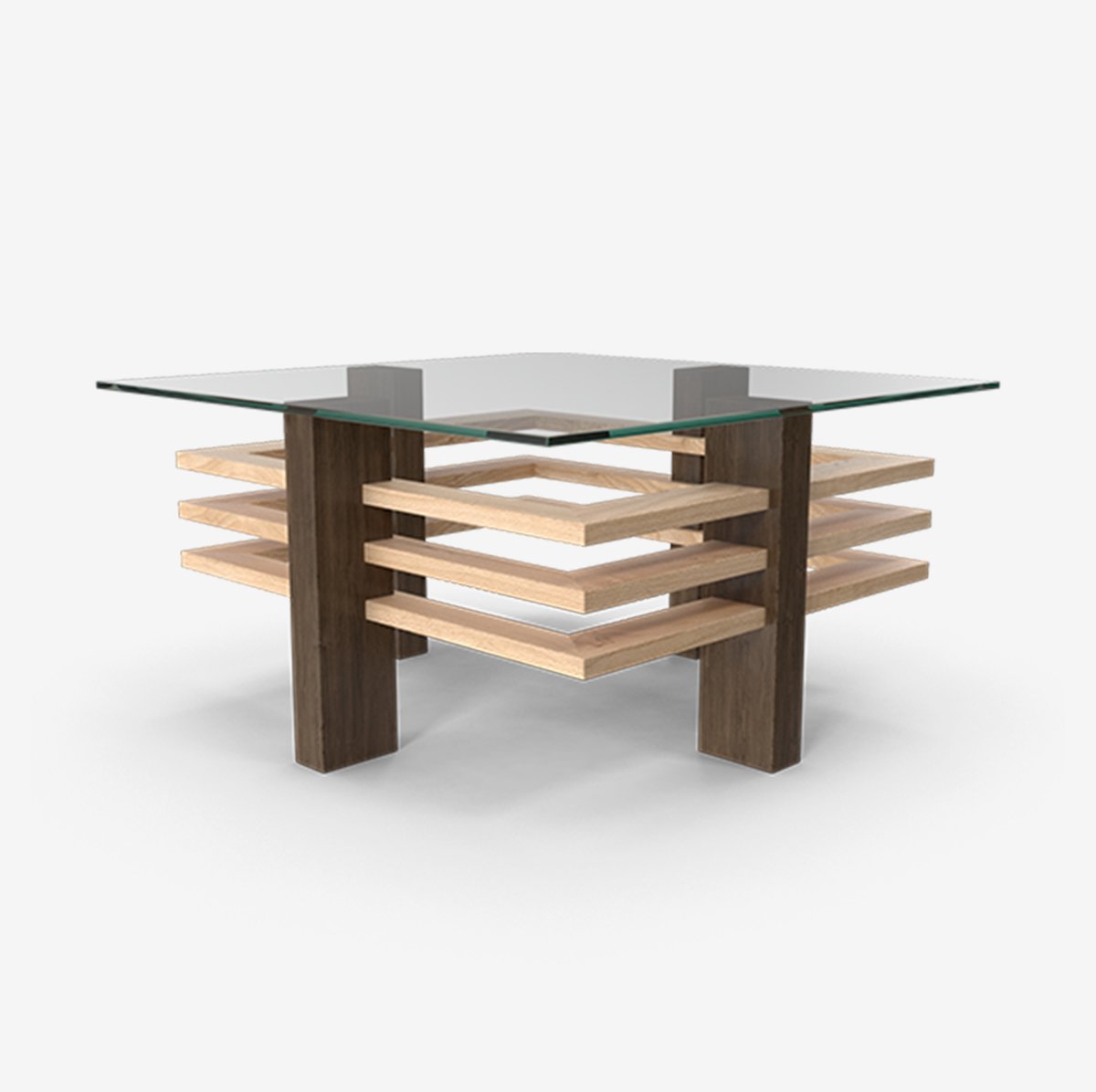
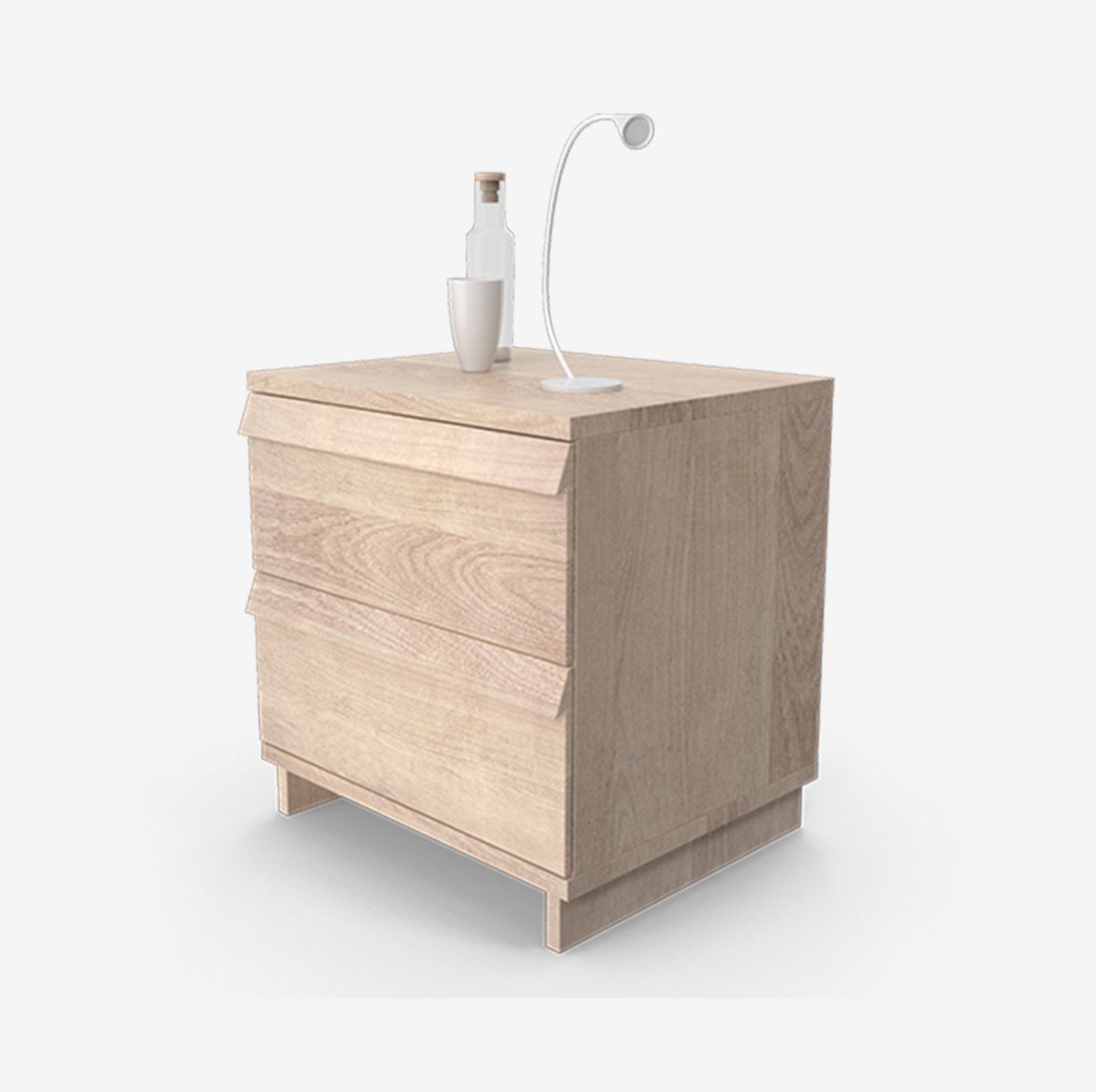
For woodworking businesses, a CNC router can be used to manufacture:
- Furniture components
- Wooden doors
- Decorative wall panels
- Cabinet components
- Sign boards
- Wooden name plates
- 3D carvings
- Customized décor
- Engraved products
- Architectural designs
The ability to reproduce the same design multiple times makes CNC routers useful for both customized products and larger production requirements.
How CNC Routers Can Increase Woodworking Business Profitability
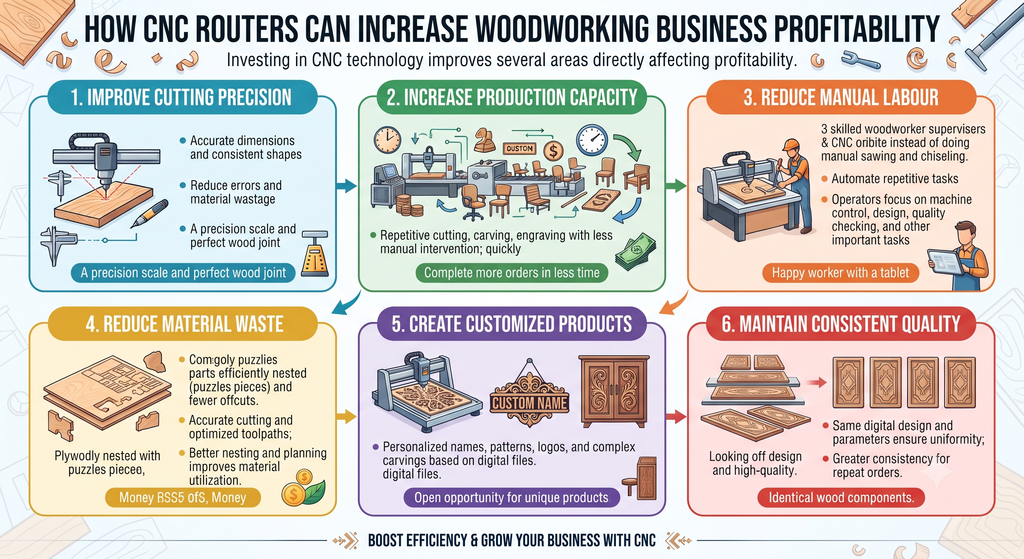
Investing in CNC technology is not only about automation. The right CNC router can improve several areas of a woodworking business that directly affect profitability.
1. Improve Cutting Precision
CNC routers follow digital designs and programmed toolpaths, helping businesses achieve accurate dimensions and consistent shapes. Better precision can reduce errors and material wastage during production.
2. Increase Production Capacity
A CNC router can perform repetitive cutting, carving, and engraving operations with less manual intervention. This allows businesses to complete more orders within the same working period.
3. Reduce Manual Labour
Traditional woodworking often requires significant manual effort for measuring, cutting, carving, and finishing. CNC automation can reduce repetitive manual work and allow operators to focus on machine control, design preparation, quality checking, and other important tasks.
4. Reduce Material Waste
Accurate cutting and optimized toolpaths can help businesses use materials more efficiently. Better nesting and planning can reduce unnecessary offcuts and improve material utilization.
5. Create Customized Products
Customization is an important opportunity for woodworking businesses. CNC routers can produce personalized names, patterns, logos, decorative designs, and complex carvings based on digital files.
6. Maintain Consistent Quality
When the same digital design and machining parameters are used, CNC routers can produce multiple pieces with greater consistency. This is particularly useful for businesses handling repeat orders.
Choosing the Right CNC Router for Your Woodworking Business
Choosing a CNC router should be based on your actual production requirements rather than simply selecting the largest or most expensive machine.
Consider the following factors before purchasing:
Material Compatibility
First determine which materials you regularly process. Wood, MDF, plywood, acrylic, and other materials may require different machine configurations and cutting tools.
Working Area
The machine’s working area should match the size of your typical workpieces. A larger working area can be useful for furniture panels, doors, signage, and large decorative designs.
Spindle Power
Spindle specifications can affect cutting performance and the types of operations the machine can perform. Select a configuration appropriate for your materials, thicknesses, and production requirements.
Machine Configuration
Consider whether your business needs features such as an automatic tool changer, multiple heads, rotary attachments, or other specialized configurations.
Software Compatibility
Check whether the machine works with the CAD/CAM software and file formats used by your design team. A smooth design-to-production workflow can save time and reduce programming issues.
Production Volume
A machine for occasional customized work may have different requirements from one intended for continuous commercial production. Choose a machine that can handle your expected workload.
Budget and Total Cost
Do not consider only the initial machine price. Also evaluate installation, tooling, software, maintenance, electricity, training, and after-sales support when calculating your total investment.
What Are CNC Router Traders?
CNC Router Traders are suppliers or dealers who help businesses source CNC router machines according to their specific manufacturing requirements. They can connect businesses with suitable machines and provide assistance during the purchasing and installation process.
A good CNC router trader can help you compare machine configurations, discuss applications, arrange demonstrations, coordinate installation, and provide technical assistance.
Instead of selecting a machine based only on specifications or price, working with an experienced supplier can help you choose equipment that matches your actual woodworking applications.
How CNC Router Traders Can Help Your Business
Machine Selection and Consultation
Every woodworking business has different requirements. A trader can discuss your materials, product sizes, production volume, and application to recommend a suitable CNC router configuration.
Machine Sourcing
CNC router traders can help businesses source machines with the required working area, spindle configuration, tooling options, and other specifications.
Installation and Setup
Correct installation is important for machine performance. Professional support during installation and initial setup can help businesses start production more efficiently.
Operator Training
Employees may need training in machine operation, tool selection, software workflows, safety procedures, and basic troubleshooting. Proper training can reduce operational mistakes.
After-Sales Support
Technical support becomes important when a machine requires maintenance or troubleshooting. A supplier offering responsive after-sales service can help reduce unnecessary production interruptions.
Spare Parts and Maintenance Assistance
Reliable traders may also help businesses source compatible spare parts, consumables, and maintenance components when required.
How to Find Reliable CNC Router Traders
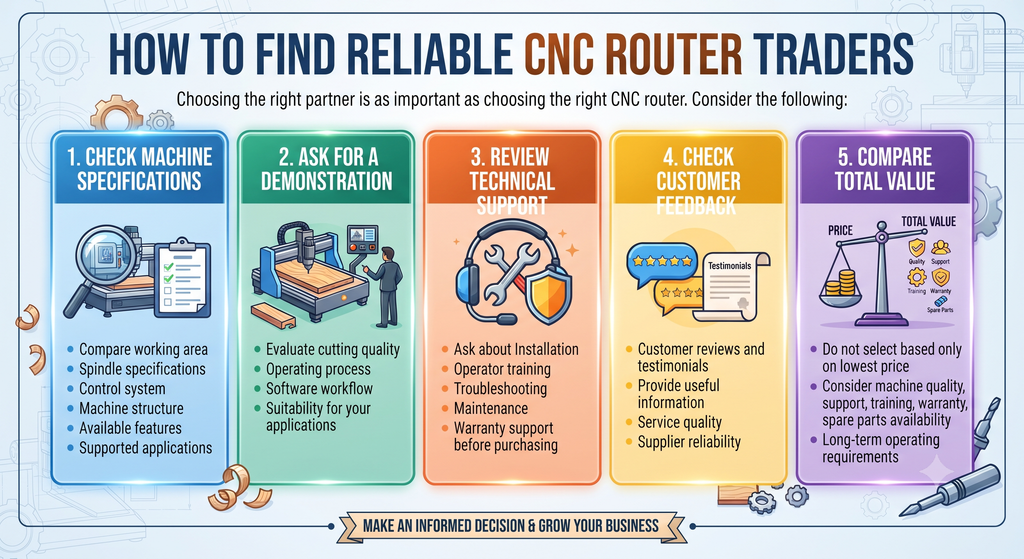
Choosing the right trader is as important as choosing the right CNC router. Before making a purchase, consider the following:
Check Machine Specifications
Compare working area, spindle specifications, control system, machine structure, available features, and supported applications.
Ask for a Demonstration
A machine demonstration can help you evaluate cutting quality, operating process, software workflow, and suitability for your applications.
Review Technical Support
Ask about installation, operator training, troubleshooting, maintenance, and warranty support before purchasing.
Check Customer Feedback
Customer reviews and testimonials can provide useful information about machine performance, service quality, and supplier reliability.
Compare Total Value
Do not select a trader based only on the lowest price. Consider machine quality, support, training, warranty, spare parts availability, and long-term operating requirements.
Cost vs. Profit: Is a CNC Router a Good Investment?
The profitability of a CNC router depends on how effectively the machine is used. Businesses should calculate the expected return based on production volume, product pricing, labour savings, material utilization, and machine operating costs.
Some important factors include:
| Cost or Profit Factor | Impact on Business |
|---|---|
| Machine Investment | Initial capital requirement |
| Labour Cost | Potential reduction in repetitive manual work |
| Production Capacity | Ability to complete more orders |
| Material Waste | Lower waste can improve margins |
| Product Customization | Can create higher-value products |
| Machine Downtime | Directly affects production |
| Maintenance | Required for reliable operation |
| Order Volume | Influences machine utilization |
| Product Pricing | Determines revenue potential |
| Machine Utilization | Higher productive use can improve ROI |
Before purchasing, estimate your monthly production, average order value, operating expenses, and expected machine utilization. This gives you a more realistic picture of potential profitability.
CNC Router Traders vs. Buying Without Technical Support
Buying a CNC router only by comparing prices may seem attractive initially, but businesses also need to consider installation, training, machine configuration, maintenance, and technical support.
| Factor | With CNC Router Trader | Without Technical Support |
|---|---|---|
| Machine Selection | Application-based guidance | Buyer handles selection |
| Installation | Professional assistance may be available | May require separate arrangements |
| Training | Operator training may be provided | Additional training may be required |
| Troubleshooting | Technical support available | Support may be limited |
| Spare Parts | Easier sourcing through supplier | Buyer may need to find parts |
| Machine Setup | Guided setup | More responsibility on buyer |
| Long-Term Support | Supplier relationship | Depends on manufacturer/service network |
The right supplier can therefore add value beyond the machine itself.
Conclusion
A CNC router can become an important part of a profitable woodworking business when it is selected and used according to the company’s actual production requirements. Precision, repeatability, faster production, customization, better material utilization, and reduced manual work can help businesses improve their overall manufacturing efficiency.
Working with reliable CNC Router Traders can make the purchasing process easier by providing guidance on machine selection, configuration, installation, training, maintenance, and technical support. However, businesses should always compare machines based on application, total cost, production requirements, and long-term support rather than price alone.
At Aaradhana Technology Systems, we offer solutions including Wood CNC Router, CNC Wood Router Double Head, Wood Router With Rotary, Double Head Stone Router Cutting Machine, F Fiber Laser Cutting Machine, Fiber Marking Machine, and Fiber Welding Machine for different manufacturing requirements.
If you are planning to start or expand your woodworking business, choosing the right CNC machine can help create a more efficient and scalable production setup. Contact Aaradhana Technology Systems today to discuss your requirements and find a suitable CNC machine for your business.
FAQ’s
1. What is a CNC router used for in woodworking?
A CNC router is used for cutting, carving, engraving, and shaping wood and other compatible materials with computer-controlled precision.
2. How can CNC routers increase woodworking profits?
CNC routers can improve productivity, reduce repetitive manual work, minimize material waste, support customization, and provide consistent production quality.
3. What are CNC Router Traders?
CNC Router Traders are suppliers or dealers who help businesses source suitable CNC router machines and may provide installation, training, and technical support.
4. How do I choose the right CNC router for my business?
Consider your materials, workpiece size, spindle requirements, production volume, machine configuration, software, budget, and future expansion plans.
5. Can a CNC router make customized wooden products?
Yes. CNC routers can create customized names, patterns, carvings, signs, furniture components, decorative panels, and other designs from suitable materials.
6. Is a CNC router suitable for small woodworking businesses?
Yes. A suitable CNC router can help small businesses improve production efficiency and offer customized products, provided the machine matches their workload and budget.
7. What should I check before buying a CNC router?
Check the working area, spindle specifications, machine configuration, software compatibility, material capability, installation, training, warranty, and after-sales support.
8. Why is CNC router maintenance important?
Regular maintenance helps maintain machine performance, cutting quality, reliability, and productivity while reducing the risk of unexpected downtime.
9. Can CNC Router Traders provide operator training?
Training availability depends on the supplier. Businesses should confirm whether installation, operator training, software guidance, and technical support are included before purchasing.
10. How can I maximize the ROI of a CNC router?
Maximize machine utilization, reduce material waste, optimize toolpaths, train operators, maintain the machine properly, and focus on high-demand or customized products.