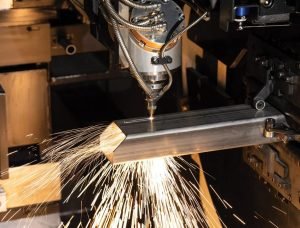
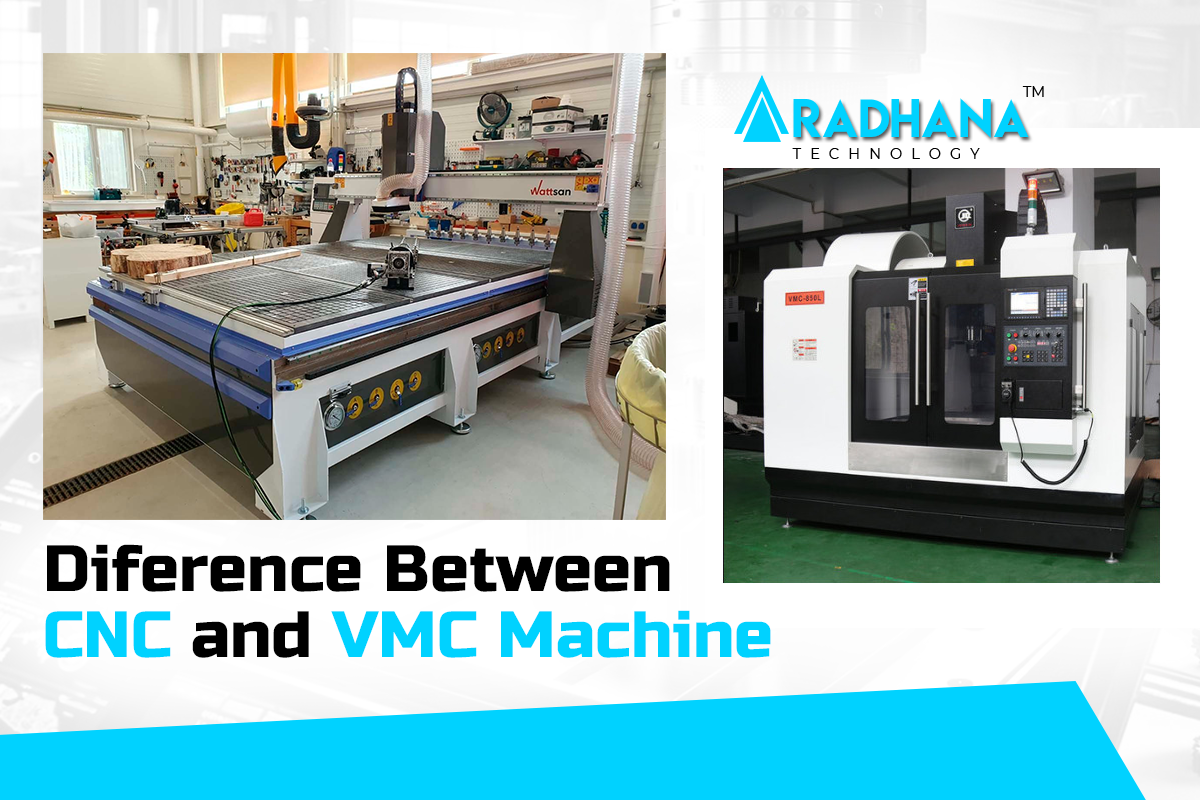
CNC machines perform various automated machining operations, while VMC machines are specialized CNC milling machines with a vertical spindle, offering higher precision for vertical cutting and drilling tasks.
The CNC and VMC machine difference is a crucial aspect to understand for industries involved in precision machining. CNC (Computer Numerical Control) machines are automated tools that perform various machining tasks, whereas VMC (Vertical Machining Center) machines are a specific type of CNC milling machine designed for vertical operations.
Both machines are widely used in manufacturing but serve different purposes. While CNC machines can handle multiple operations such as milling, turning, and grinding, VMCs specialize in high-precision vertical milling.
In this article, we will explore the key differences, advantages, applications, and factors to consider when choosing between CNC and VMC machines.
Key Points on CNC and VMC Machine Difference
1. CNC Machines
CNC machines are automated tools controlled by computer programs to perform precision machining operations.
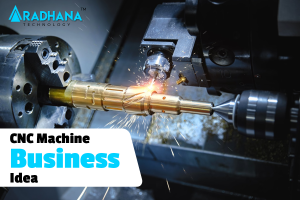
These machines follow predefined codes (G-code and M-code) to execute tasks like cutting, drilling, milling, and turning. CNC machines come in different types, such as CNC lathes, CNC milling machines, CNC routers, and CNC plasma cutters.
Features of CNC Machines:
- Fully automated operations controlled by software
- High precision and accuracy
- Compatible with various materials like metal, plastic, wood, and composites
- Reduced manual intervention, leading to increased efficiency
- Suitable for mass production and complex designs
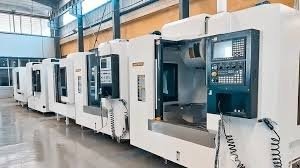
2. VMC Machines
A VMC machine is a type of CNC milling machine where the spindle is positioned vertically. It is specifically designed for vertical machining operations, making it ideal for precise and intricate tasks.
VMC machines are widely used in the automotive, aerospace, and tool-making industries due to their high-speed capabilities and accuracy.
Features of VMC Machines:
- Vertical spindle orientation
- High-speed machining capability
- Excellent for precise cutting, drilling, and engraving
- Requires less floor space compared to horizontal machining centers
- Used for 2D and 3D contouring applications
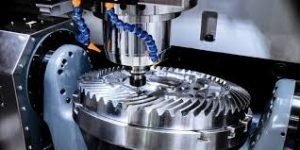
3. CNC and VMC Machine Difference
While both CNC and VMC machines are used in machining, there are key differences that set them apart. Below is a detailed comparison:
| Feature | CNC Machines | VMC Machines |
| Definition | CNC refers to a broad category of computer-controlled machines used for different machining tasks. | VMC is a specific type of CNC milling machine with a vertical spindle. |
| Spindle Orientation | Can be vertical, horizontal, or multi-axis. | Always vertical. |
| Functionality | Used for milling, turning, grinding, and other machining processes. | Primarily used for vertical milling operations. |
| Flexibility | Available in different configurations for various tasks. | Best suited for vertical operations and limited horizontal movements. |
| Material Compatibility | Can work on metal, plastic, wood, and composites. | Primarily used for metal machining. |
| Speed & Precision | High-speed, precise machining with advanced automation. | Offers high precision but mostly in vertical machining. |
| Application | Used in multiple industries for a wide range of tasks. | Commonly used in automotive, aerospace, and die-making industries. |
4. Advantages of CNC Machines
- High Accuracy & Precision: CNC machines offer exceptional accuracy, minimizing human errors.
- Increased Efficiency: Automated operations enhance productivity and reduce cycle times.
- Flexibility: Can handle different types of machining operations.
- Mass Production: Ideal for large-scale manufacturing with consistent quality.
- Reduced Labor Cost: Less manual intervention is required.
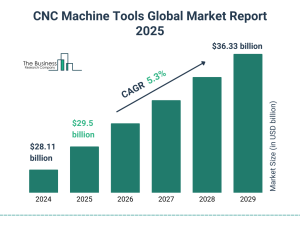
CNC machine tools market report 2025
5. Advantages of VMC Machines
- Compact Design: Takes up less space compared to horizontal machining centers.
- Cost-Effective: More affordable than CNC horizontal machining centers.
- Ideal for Complex Parts: Can machine intricate components with high precision.
- Automated Tool Changing: Enhances productivity and reduces downtime.
6. Disadvantages of CNC Machines
- High Initial Cost: CNC machines require a significant investment.
- Complex Maintenance: Requires skilled personnel for programming and maintenance.
- Power Consumption: Operates on high power, increasing energy costs.
Read More: Aaradhanatech
7. Disadvantages of VMC Machines
- Limited Horizontal Machining: Not ideal for horizontal operations.
- High Setup Time: Setting up complex jobs can be time-consuming.
- Limited Workpiece Size: Suitable for small to medium-sized components.
8. Applications of CNC and VMC Machines
Knowing the CNC and VMC machine difference also involves knowing where they are commonly used.
CNC Machine Applications:
- Automotive industry for manufacturing engine parts
- Aerospace for producing aircraft components
- Medical industry for precision tools and implants
- Woodworking for furniture and decorative elements
- Heavy machinery for custom metal fabrication
VMC Machine Applications:
- Die and mold making for tool manufacturing
- Engraving and sculpting metal or plastic parts
- Precision drilling and cutting in metal industries
- High-speed machining in electronics and defense industries
9. Key Factors to Consider When Choosing Between CNC and VMC Machines
Choosing between a CNC and VMC machine depends on the following factors:
- Machining Requirements: If you need horizontal or multi-axis machining, a CNC machine is preferable. If you need vertical precision machining, a VMC is a better choice.
- Production Volume: CNC machines are ideal for mass production, whereas VMCs are suited for specific high-precision tasks.
- Material Type: CNC machines can handle a variety of materials, while VMCs are mostly used for metals.
- Budget: VMCs are more affordable than multi-axis CNC machines.
- Complexity of Parts: For intricate and detailed components, VMCs are highly effective.
10. Future of CNC and VMC Machines
With the advancement of Industry 4.0 and automation, both CNC and VMC machines are evolving. Technologies like AI-powered machining, IoT-enabled monitoring, and robotic automation are being integrated into these machines for better efficiency.
The CNC and VMC machine difference will continue to evolve as new innovations emerge, making these machines even more precise, faster, and versatile.
Conclusion
The CNC and VMC machine difference lies primarily in their functionality, spindle orientation, and application. CNC machines offer versatility and automation for various machining tasks, while VMC machines are specialized for vertical milling operations. Both machines play an essential role in modern manufacturing, and selecting the right machine depends on specific industrial requirements.
At Aaradhana Tech, we offer a range of advanced CNC and industrial machining solutions, including CNC Routers and CO₂ Laser Cutting Machines, designed to meet different cutting, machining, and manufacturing requirements. Whether you need precision cutting, engraving, or automated machining solutions, choosing the right machine can improve productivity, accuracy, and overall efficiency.
Looking for the right CNC machine for your business? Contact Aaradhana Tech today to explore our machine solutions and get expert guidance for your specific manufacturing needs.
FAQ‘s
The main difference is that CNC is a broad category of computer-controlled machines, while a VMC (Vertical Machining Center) is a specific type of CNC milling machine with a vertical spindle designed for precision machining.
Yes, a VMC machine is a type of CNC machine. All VMCs are CNC machines, but not all CNC machines are VMCs.
VMC machines are generally better for high-precision metal machining, while CNC machines are suitable for a wider range of machining operations and material
CNC and VMC machines are widely used in the automotive, aerospace, medical, tooling, woodworking, and heavy manufacturing industries.
Yes, CNC machines can perform milling, turning, drilling, grinding, and other machining operations depending on the machine type.
VMC machines offer high accuracy, faster machining, excellent surface finish, automated tool changing, and efficient vertical milling for complex components.
Choose a CNC machine for versatile machining tasks and multiple operations, while a VMC machine is ideal for high-precision vertical milling and metalworking applications.
Both CNC and VMC machines require regular maintenance, but the maintenance needs depend on machine usage, operating conditions, and preventive servicing schedules.
Yes, VMC machines are highly suitable for mass production of precision metal components due to their automation, accuracy, and consistent machining performance.
Consider your machining requirements, production volume, material type, budget, precision needs, available workspace, and future business expansion before selecting the right machine.