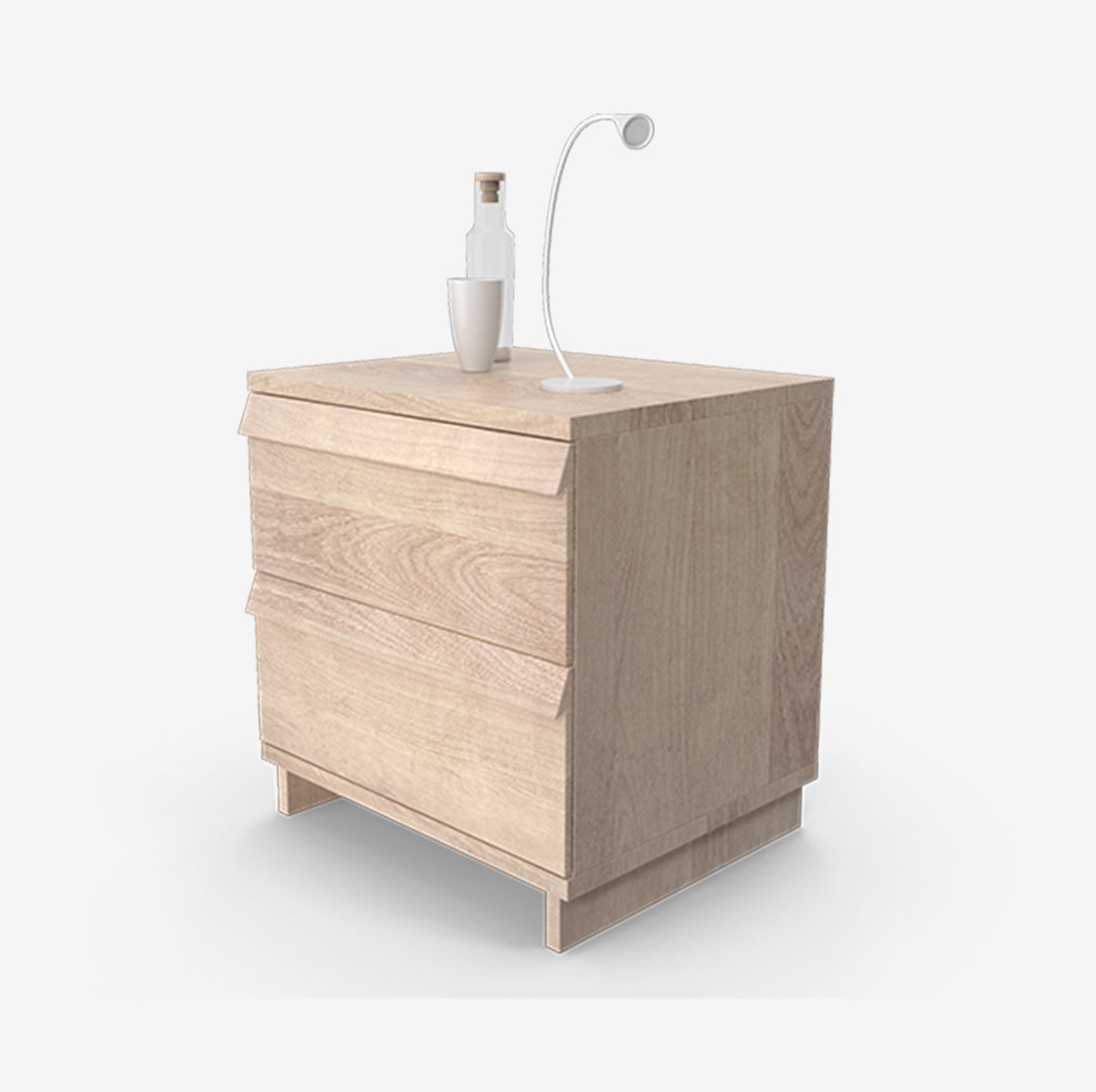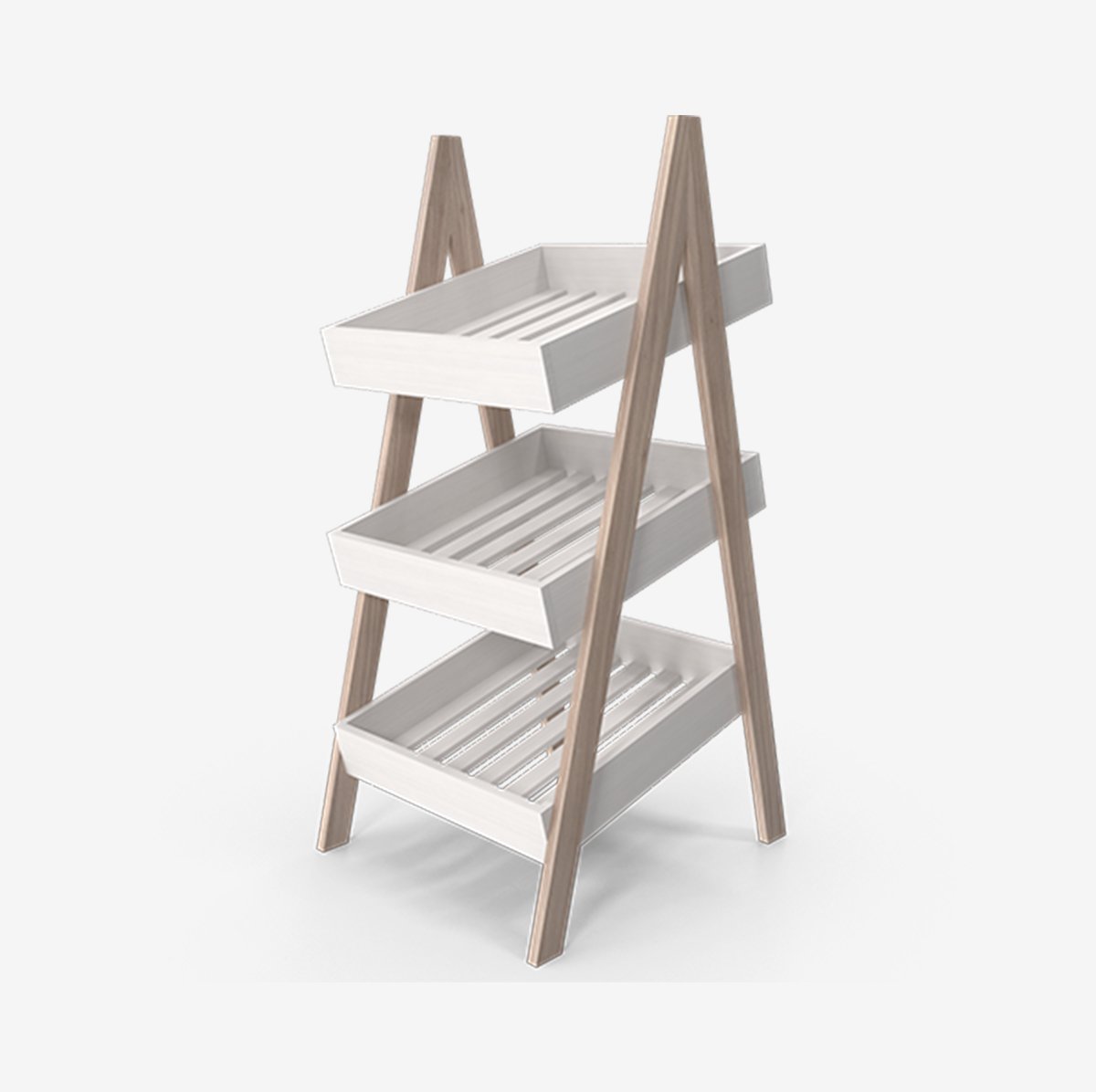

A CO2 Laser Cutting Machine is designed to cut and engrave non-metal materials with precision, consistency and detailed finishing. It uses a focused CO2 laser beam to process materials such as acrylic, wood, MDF, plywood, leather, fabric, paper and other compatible surfaces.
These machines are used for customized products, industrial components, decorative designs, signage and various manufacturing applications.
A CO2 laser cutting machine helps businesses produce intricate patterns, lettering, shapes and customized designs with controlled cutting accuracy. The right machine depends on the material, required working area, production volume and cutting thickness.
Aaradhana Tech offers different CO2 laser cutting machine models to support a range of business and production requirements.
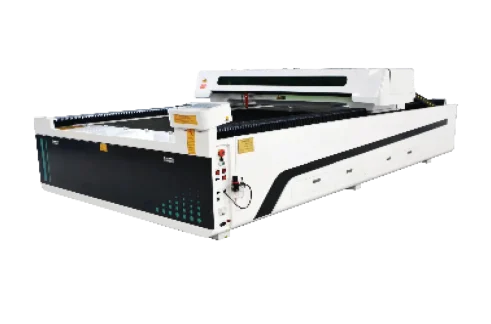
Model Names: AR-1325
Cutting Speed: 0–800 mm/s
Laser Power Options: 100W / 130W / 150W
Software Supported: DXF, PLT, BMP, AI, HML, DST formats
Power Requirements: 220V / 50Hz, Single Phase
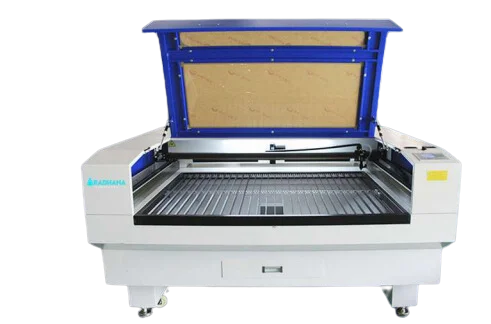
Model Names: AR-1390
Cutting Speed: 0–800 mm/s
Laser Power Options: 80W / 100W / 130W
Software Supported: DXF, PLT, BMP, AI, HML, DST formats
Power Requirements: 1500W machine power
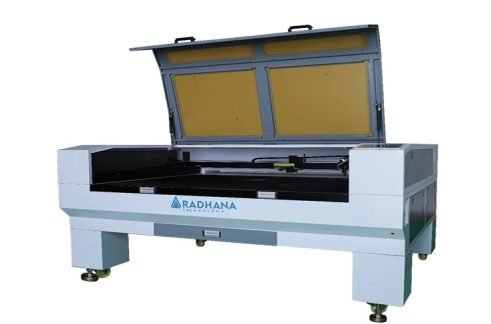
Model Names: AR-1410
Cutting Speed: 0–800 mm/s
Laser Power Options: 80W / 100W / 130W
Software Supported: DXF, PLT, BMP, AI, HML, DST formats
Power Requirements: 1500W machine power
A CO2 laser cutting machine can process different non-metal materials. The following table provides indicative cutting thicknesses for different laser power options. Actual results depend on material quality, density, moisture, laser tube condition, focus, cutting speed and machine configuration.
| Material | 60W | 80W | 100W | 130W | 150W |
|---|---|---|---|---|---|
| Acrylic | 6–8 mm | 8–10 mm | 10–12 mm | 12–15 mm | 15–20 mm |
| MDF | 3–5 mm | 5–6 mm | 6–8 mm | 8–10 mm | 10–12 mm |
| Plywood | Up to 8 mm | Up to 10 mm | Up to 13 mm | Up to 15 mm | Up to 15 mm |
| Solid Wood | 3–5 mm | 5–6 mm | 6–8 mm | 8–10 mm | 10–12 mm |
| Leather | 2–4 mm | 3–5 mm | 4–6 mm | 5–7 mm | 6–8 mm |
| Fabric | Up to 5 mm | Up to 5 mm | Up to 5 mm | Up to 5 mm | Up to 5 mm |
| Paper | Thin sheets; test cut | Thin sheets; test cut | Thin sheets; test cut | Thin sheets; test cut | Thin sheets; test cut |
| Cardboard | Depends on type; test cut | Depends on type; test cut | Depends on type; test cut | Depends on type; test cut | Depends on type; test cut |
| Rubber (compatible types only) | 2–5 mm | 2–5 mm | 2–5 mm | 2–5 mm | 2–5 mm |
A CO2 laser cutting machine is compatible with a variety of non-metal materials, including acrylic, MDF, plywood, wood, leather and fabric. Its cutting capacity varies with laser power and material properties. The table below highlights the approximate thickness each power option can process, helping you compare different cutting requirements.
CO2 laser machines help signage businesses create acrylic letters, branded displays, decorative nameplates and customized sign components for retail branding and promotional installations.
Furniture manufacturers use CO2 laser cutting for decorative MDF panels, wooden patterns, plywood components and customized design elements for residential and commercial interiors.
These machines process selected fabrics and leather sheets to create apparel components, leather patterns, labels, patches and customized product designs.
Packaging businesses use laser technology to create prototypes, paper designs, cardboard patterns, decorative packaging and customized inserts with detailed shapes.
Design studios and manufacturing units use laser cutting to develop prototypes, sample components and customized product parts from compatible materials.
CO2 laser machines support the creation of engraved nameplates, wooden gifts, decorative accessories, photo frames and personalized products.
Selected non-metal sheets can be processed to create panels, labels, insulation components and equipment enclosures, subject to material compatibility.
Training centres and creative studios use CO2 laser machines for model-making, craft projects, educational prototypes and customized design work.

Before selecting a CO2 laser cutting machine, consider the type of material you want to process, its thickness and the size of the workpieces.
Check the machine’s working area, laser power, cutting capability, cooling arrangement, exhaust requirements and control system.
Production volume, available workspace, operator training and after-sales support should also be considered. Comparing these factors can help you select a machine that matches your business requirements.
Safe operation is essential when working with a CO2 laser cutting machine. Before purchasing or operating a machine, check its safety provisions, ventilation arrangements and electrical requirements. The following precautions help maintain a safer working environment.
A protective enclosure helps restrict access to the laser working area. A door interlock, where available, can disable laser operation when the access door is opened.
An easily accessible emergency stop button allows the operator to stop machine operation quickly if an unsafe situation occurs.
Laser processing produces smoke and fumes. A suitable exhaust and filtration system helps remove airborne emissions from the working area.
CO2 laser tubes require proper cooling. Water-flow and temperature protection, where provided, help prevent operation under unsuitable cooling conditions.
Keep the work area free from combustible waste, monitor cutting operations and maintain suitable fire-safety equipment nearby. Never leave the machine unattended while operating.
Ensure proper grounding, protected electrical connections and trained operators. Follow the manufacturer’s instructions for operation, maintenance and emergencies.
A CO2 Laser Cutting Machine uses a carbon dioxide laser beam to cut and engrave compatible non-metal materials such as acrylic, wood, MDF, plywood, leather, paper and fabric.
It can process materials such as acrylic, MDF, plywood, wood, leather, paper, cardboard and selected fabrics. Compatibility should be checked before processing any material.
The price depends on laser power, working area, machine configuration, cutting requirements and additional features. Contact the manufacturer for a model-specific quotation.
CO2 laser machines are commonly used for compatible non-metal materials, while fiber laser machines are generally used for metal marking and cutting applications. The suitable technology depends on the material and application.
Yes, a properly configured CO2 laser machine can cut and engrave compatible acrylic sheets. Cutting capacity depends on laser power, acrylic type and sheet thickness.
Yes, CO2 laser machines can process suitable MDF and plywood sheets. Results depend on material composition, thickness, laser power and cutting settings.
Laser power, material type, material density, focus, cutting speed, air assistance and the required edge quality can affect cutting thickness.
It can be suitable for small businesses involved in signage, customized gifts, craft products, engraving and decorative manufacturing. The model should match the business’s production needs and budget.
Use suitable ventilation and fume extraction, check protective interlocks, keep fire-safety equipment nearby, follow material compatibility guidelines and train operators. The machine should be monitored during operation.
The right model depends on the required working area, laser power, material type, cutting thickness and production volume. Compare the AR1325, AR1390 and AR1410 configurations before making a selection.
Copyright © 2026. All Rights Reserved.