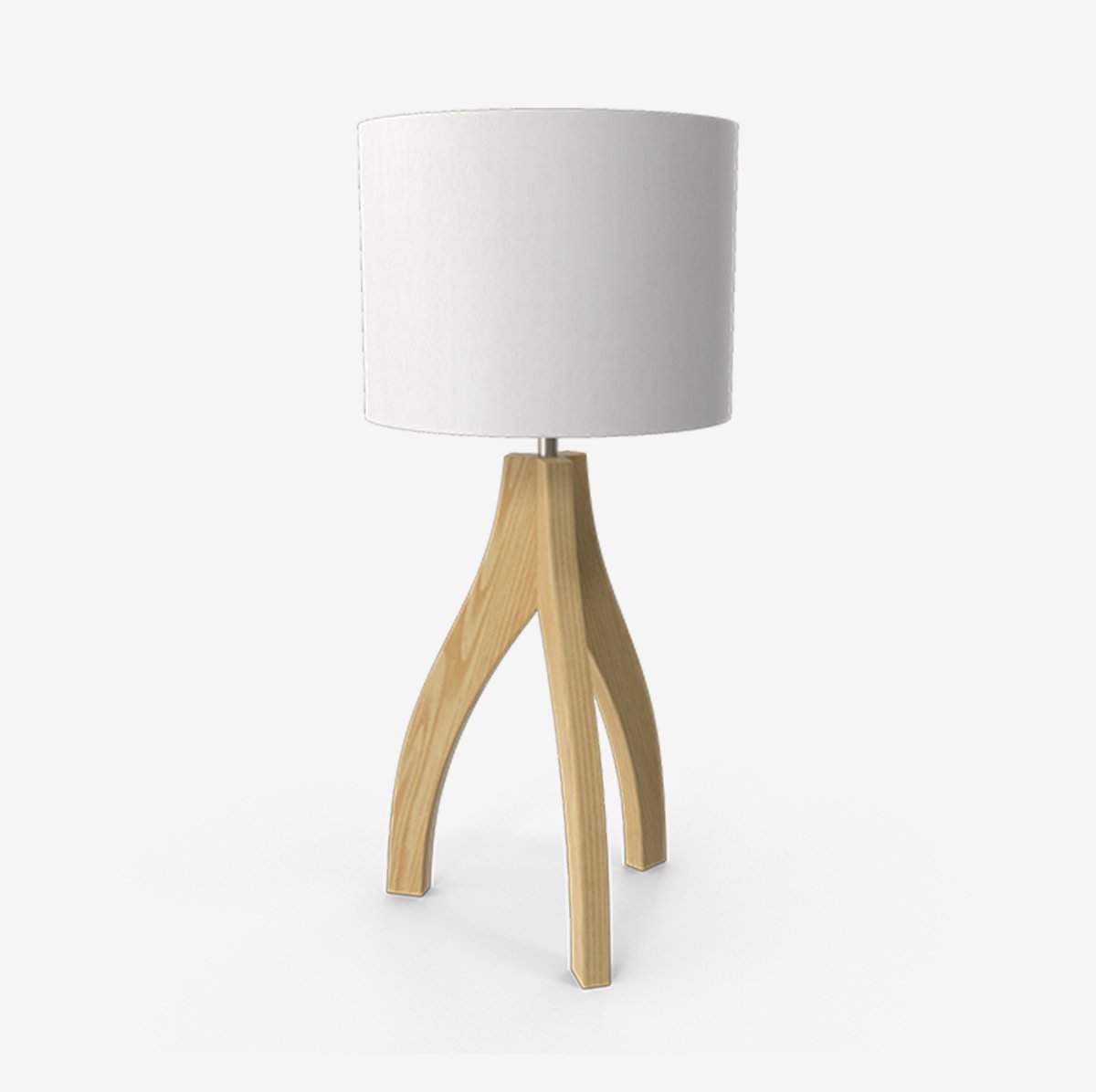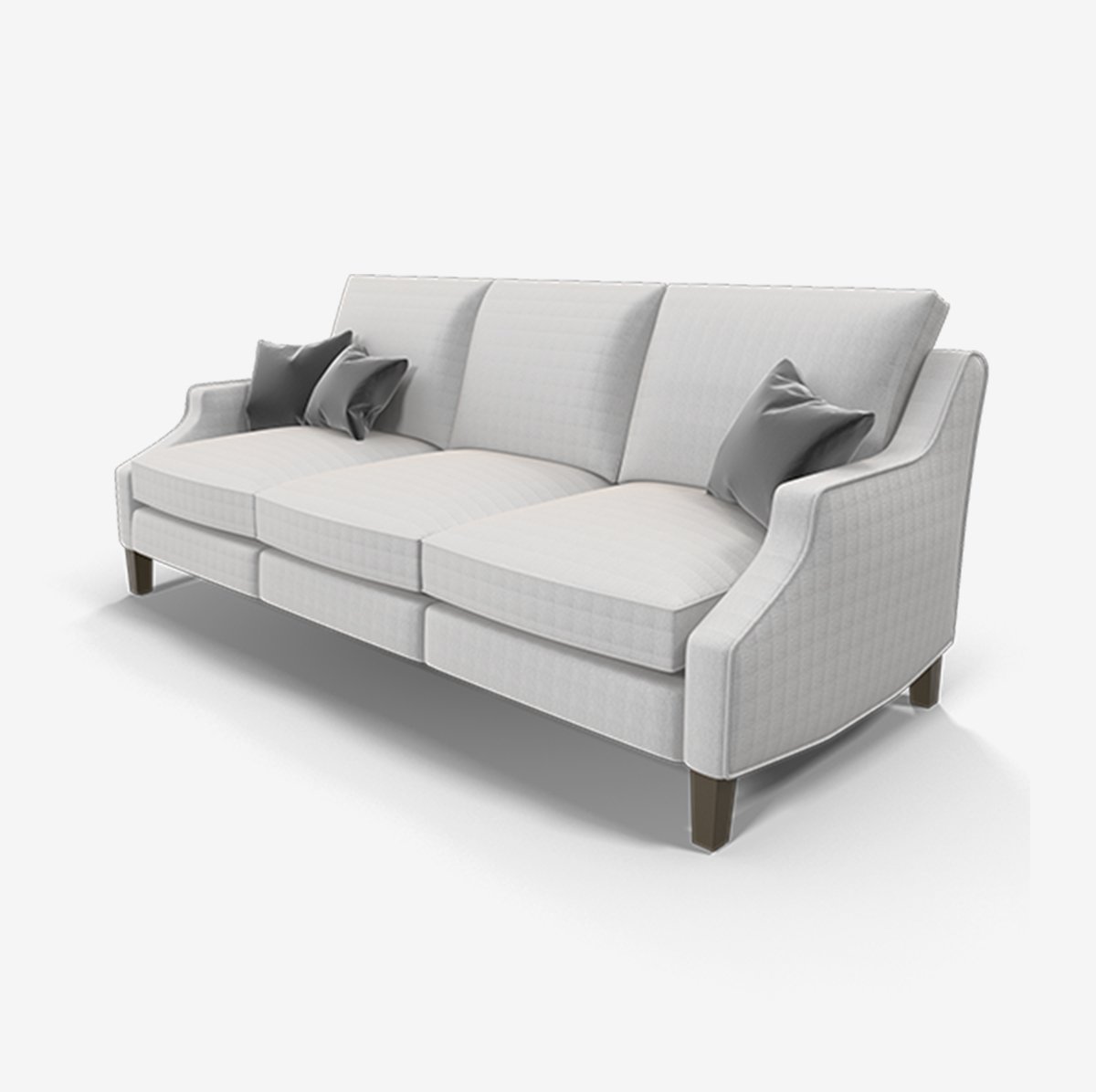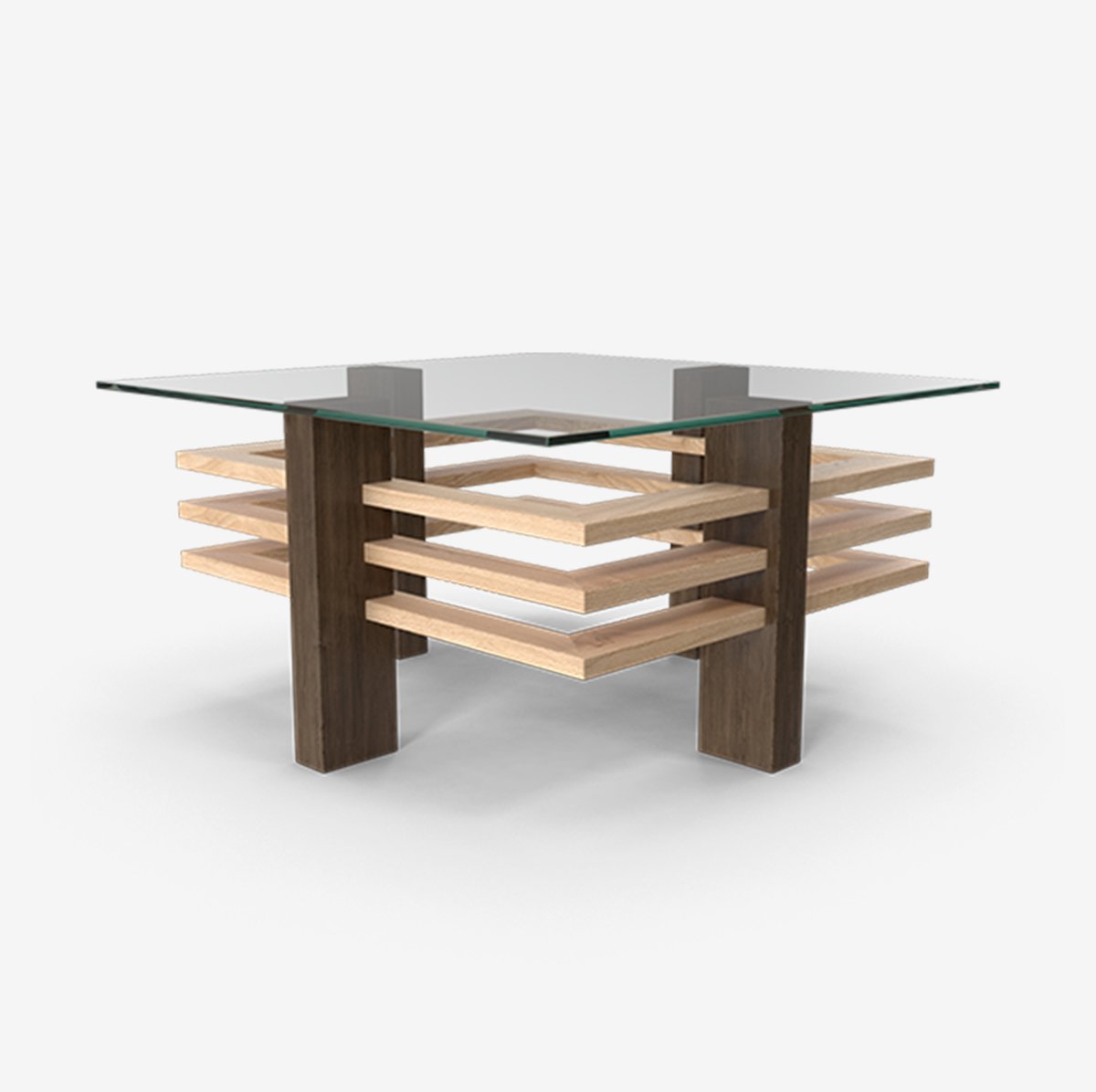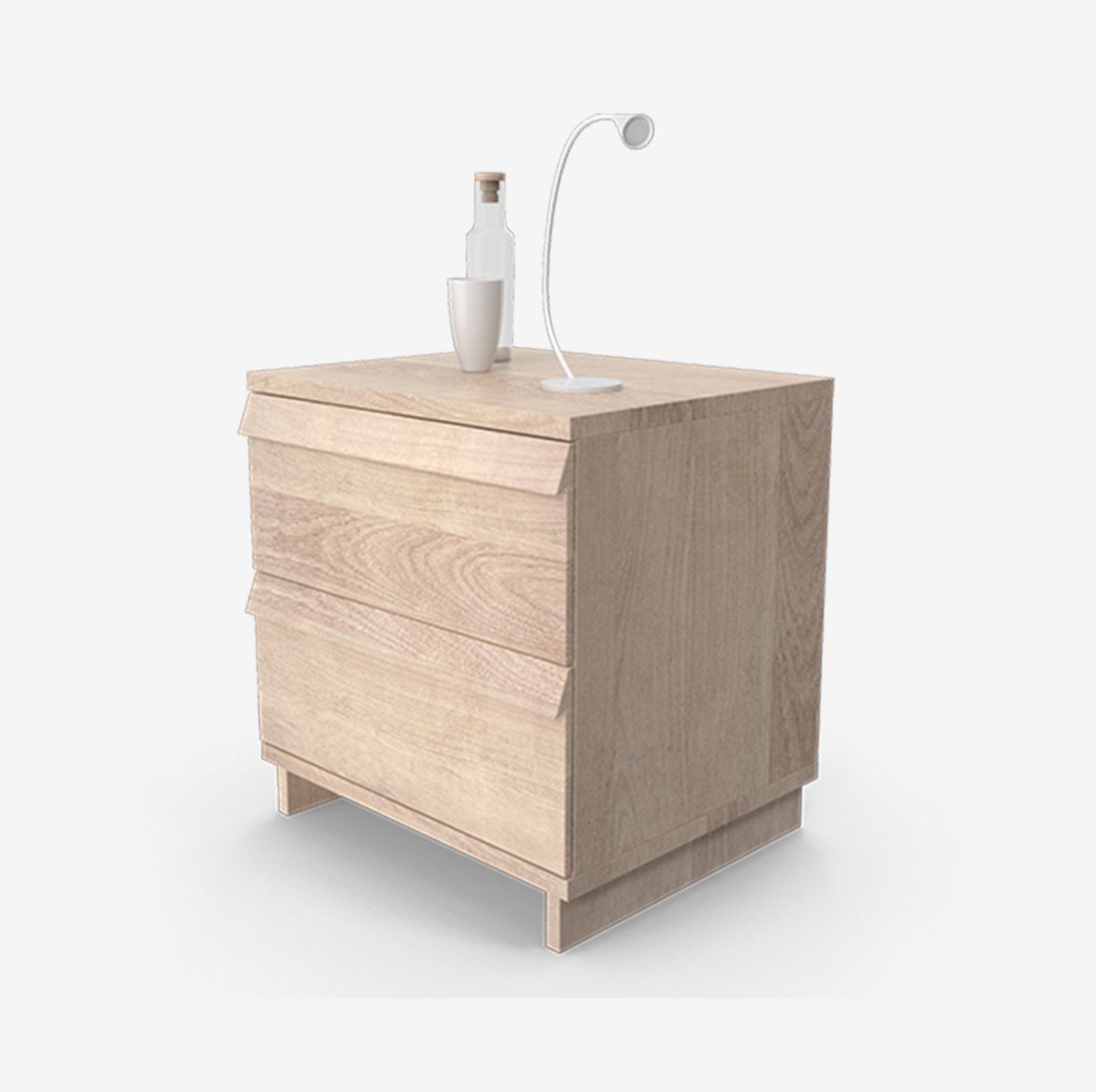
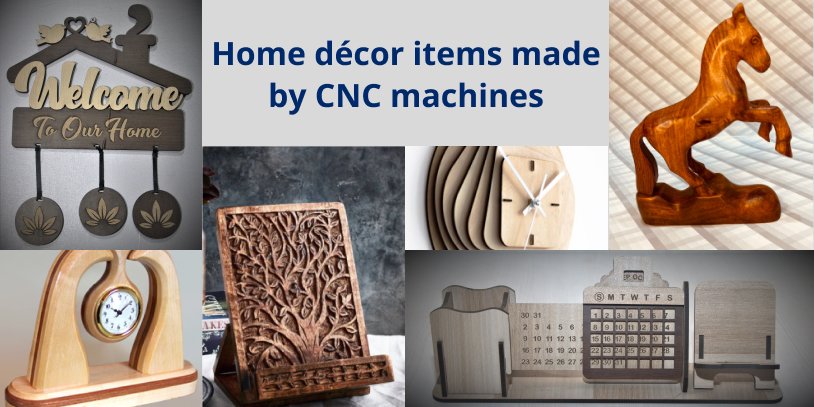
CNC cutting techniques help create unique home accessories with precise designs, consistent results, and customization using wood, acrylic, leather, metal, and other suitable materials.
Creating unique home accessories with CNC cutting techniques allows you to turn creative ideas into precise, customized, and attractive designs. CNC machines use computer-controlled movements to cut, carve, engrave, and shape different materials according to a digital design.
Depending on the project, materials such as wood, MDF, acrylic, leather, stainless steel, aluminium, and other suitable materials can be processed using the right machine. A CNC wood router is suitable for wooden décor, frames, panels, and engraved accessories, while a CO2 laser cutting machine can be used for suitable non-metal materials and detailed designs.
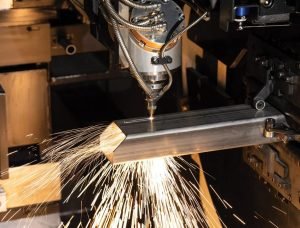
For metal accessories, a fiber laser cutting machine can provide precise cutting and engraving. Aaradhana Technology Systems offers advanced CNC and laser solutions for diverse creative and manufacturing requirements.
CNC Wood Router for Home Accessories
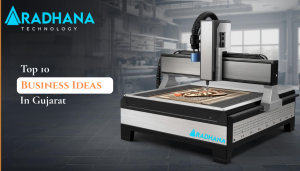
A CNC wood router is a suitable choice for creating customized and decorative home accessories from materials such as wood, MDF, plywood, and other compatible materials. With computer-controlled cutting and engraving, it can produce detailed patterns, shapes, letters, and designs with consistent accuracy.
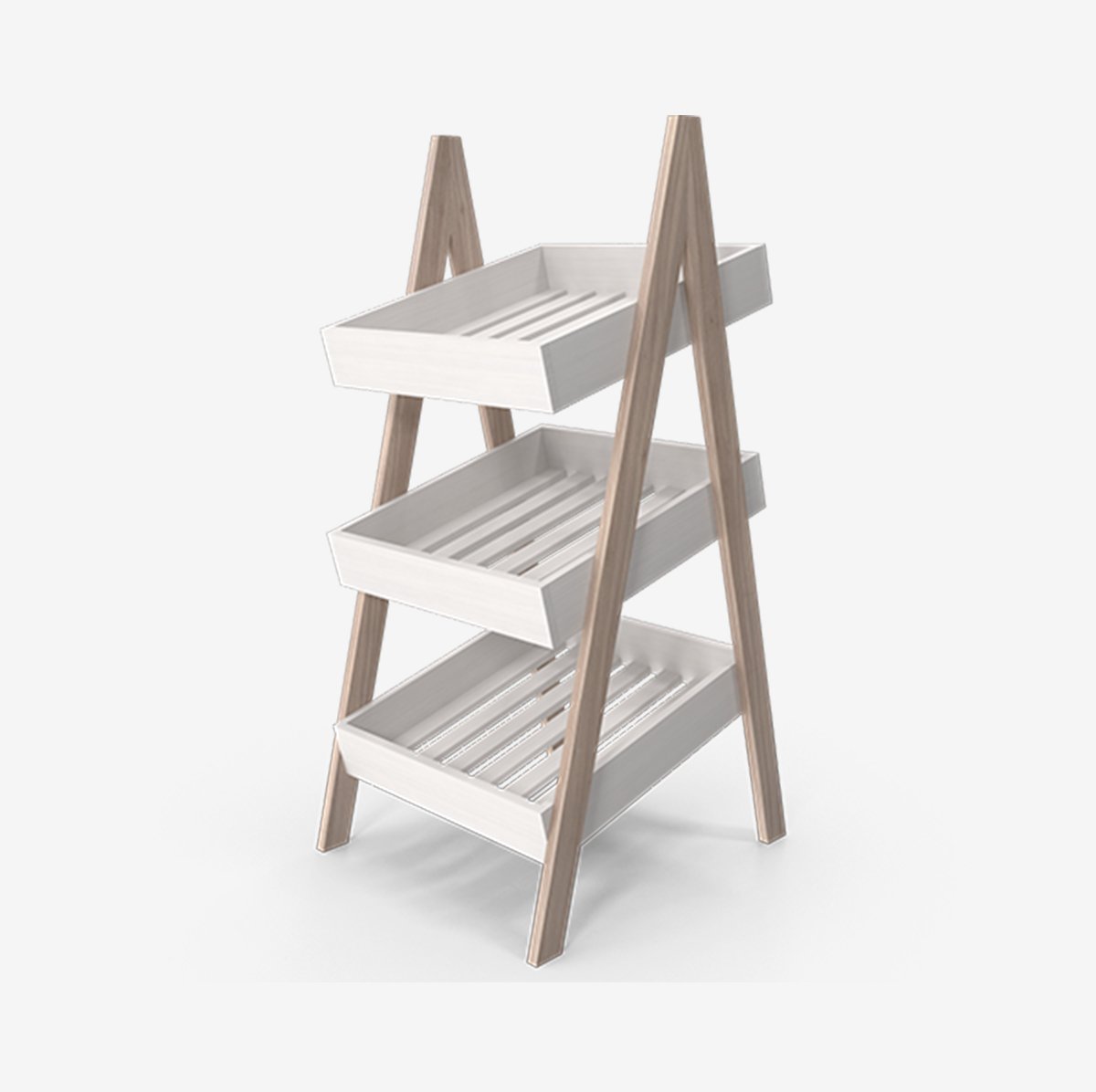
A CNC wood router can be used to create wooden clocks, picture frames, decorative wall panels, name plates, cutting boards, coasters, shelves, and other home décor items. It is especially useful when you want to create repeated designs or customized products with precise dimensions.
You can explore the CNC Wood Router for woodworking, carving, cutting, and engraving applications.
CO2 Laser Cutting Machine for Home Accessories
A CO2 Laser Cutting Machine is useful for creating detailed home accessories from suitable non-metal materials. It uses a focused laser beam for precise cutting, engraving, and marking, making it suitable for projects that require intricate patterns and clean designs.
Depending on the machine configuration and material, a CO2 laser can be used for acrylic décor, decorative panels, lampshades, personalized signs, paper designs, leather accessories, and other customized products. It can also be used for detailed engraving applications on compatible materials.
For projects involving intricate designs and non-metal materials, you can explore the CO2 Laser Cutting Machine.
Fiber Laser Cutting Machine for Home Accessories
A Fiber Laser Cutting Machine is designed for precise cutting and marking of suitable metal materials. It can be used to create customized metal accessories and decorative products with detailed designs and accurate cuts.
For home décor and customization projects, a fiber laser cutting machine can be used for metal wall art, decorative panels, candle holders, metal name plates, personalized signs, and other metal accessories. It is particularly useful for applications involving materials such as stainless steel, mild steel, and aluminium, depending on the machine configuration.
For metal cutting and fabrication requirements, you can explore the Fiber Laser Cutting Machine.
How to Create Unique Home Accessories with CNC Cutting Techniques
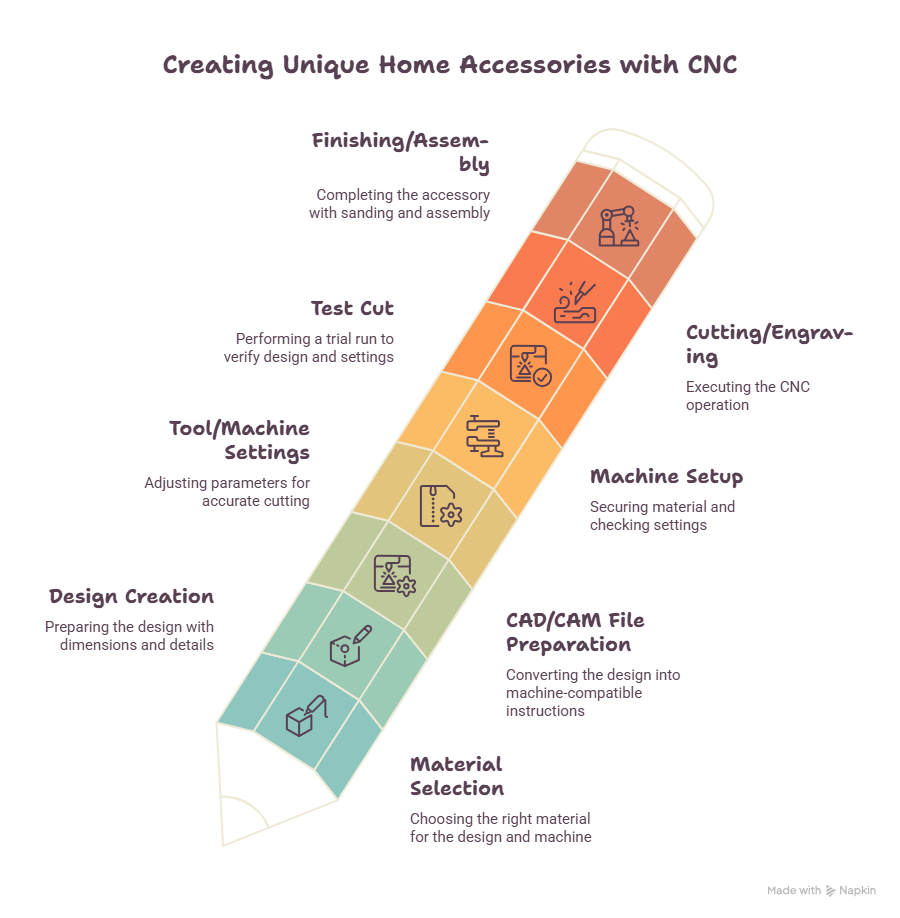
CNC cutting techniques make it possible to turn digital designs into customized home accessories with consistent accuracy and repeatability. Depending on the material and design, you can use a CNC wood router, CO2 laser cutting machine, or fiber laser cutting machine to cut, engrave, carve, or mark different types of products.
From wooden wall décor and personalized name plates to acrylic designs and metal accessories, CNC technology provides flexibility for both simple and detailed projects. Follow these steps to create unique home accessories using CNC cutting techniques.
1. Choose the Right Material
Start by selecting a material that is suitable for your product design and machine. Wood, MDF, plywood, and similar materials can be used with a CNC wood router, while suitable acrylic, leather, paper, and other non-metal materials can be processed with a CO2 laser.
For metal accessories, a fiber laser cutting machine can be considered for compatible metals such as stainless steel, mild steel, and aluminium.
2. Create Your Design
Prepare the design according to the size, shape, and purpose of your home accessory. You can create designs using suitable CAD or design software.
Consider the dimensions of the final product, cutting areas, engraving details, holes, curves, and other design elements before sending the file to the machine.
3. Prepare the CAD/CAM File
Convert your design into a machine-compatible file and prepare the required toolpaths or cutting parameters. CAD/CAM software can help translate the digital design into instructions that the CNC machine can follow.
Make sure the dimensions and design details are correct before starting the cutting process.
4. Select the Right Tool or Machine Settings
The cutting tool, spindle settings, laser power, speed, and other parameters depend on the machine and material being processed.
For CNC routing, select a suitable cutting or engraving tool. For laser cutting, set the appropriate parameters according to the material thickness and application.
5. Set Up the Machine
Secure the material properly on the machine bed before starting the operation. Check the machine settings, work area, tool position, and other required parameters.
Proper setup helps maintain cutting accuracy and reduces the chances of material movement during production.
6. Test Your Design
Before cutting the final product, perform a test cut or engraving on a suitable scrap piece whenever possible.
Testing allows you to check the dimensions, design details, cutting depth, engraving quality, and machine settings. If necessary, make adjustments before processing the final material.
7. Start Cutting or Engraving
Once the settings have been checked, start the CNC cutting, routing, engraving, or laser operation. Monitor the process to make sure the material is being processed correctly.
For customized products, CNC technology can help produce consistent designs and repeat the same pattern across multiple pieces.
8. Finish and Assemble the Product
After cutting or engraving is complete, remove the finished piece and carry out the required finishing work. Depending on the material and product, this may include sanding, polishing, painting, cleaning, or assembling different components.
A proper finishing process can improve the appearance and usability of your customized home accessory.
CNC Cutting vs Traditional Methods
When creating home accessories, choosing the right cutting method can affect the accuracy, design quality, production time, and consistency of the final product. CNC cutting techniques use computer-controlled machines to follow digital designs and produce precise cuts, engravings, and patterns. Traditional cutting methods generally involve more manual measurements, tools, and operator control.
CNC machines are especially useful for customized and repeated designs where consistent results are important. They can also make intricate patterns easier to produce across different materials, depending on the machine. The following table highlights the key differences between CNC cutting and traditional cutting methods.
| Factor | CNC Cutting | Traditional Cutting |
|---|---|---|
| Precision | High and consistent | Depends on operator skill |
| Repeatability | Excellent for repeated designs | More variable |
| Complex Designs | Easier to produce intricate designs | More difficult and time-consuming |
| Customization | Easy to create customized designs | Requires more manual effort |
| Production Speed | Faster for repeated designs | Generally more manual |
| Design Accuracy | Based on digital design and programmed instructions | Depends on manual measurements |
| Manual Effort | Lower after machine setup | Higher manual involvement |
| Consistency | Consistent results across multiple pieces | Results may vary between pieces |
Conclusion
CNC cutting techniques make it easier to create unique, customized, and attractive home accessories with accurate designs and consistent results. From wooden décor and personalized frames to acrylic designs and metal accessories, the right CNC or laser cutting machine can help turn creative ideas into finished products. Choosing the right material, preparing an accurate design, selecting suitable machine settings, and testing the design before final production can help achieve better results.
At Aaradhana Technology Systems, we offer a wide range of advanced machines for different cutting, engraving, marking, routing, and fabrication requirements, including Wood CNC Router, CNC Wood Router Double Head, Wood Router With Rotary, Double Head Stone Router Cutting Machine, F Fiber Laser Cutting Machine, Fiber Marking Machine, and Fiber Welding Machine.
Whether you are creating customized home décor, expanding your product range, or setting up a new manufacturing business, our machines can support different production requirements.
Looking for the right CNC or laser cutting machine for your application?
Contact Aaradhana Technology Systems today to discuss your requirements and choose the right machine for your business.
FAQ’s
1. What home accessories can be created using CNC cutting techniques?
CNC cutting techniques can be used to create wooden clocks, picture frames, wall décor, coasters, cutting boards, name plates, lampshades, metal art, and customized accessories.
2. Which CNC machine is best for creating wooden home accessories?
A CNC wood router is a suitable choice for creating wooden home accessories such as decorative panels, frames, clocks, shelves, cutting boards, and engraved designs.
3. Can a CNC wood router create customized home décor?
Yes, a CNC wood router can cut, carve, and engrave customized designs on suitable wood-based materials, making it useful for personalized home décor products.
4. What materials can be used for CNC home accessories?
Depending on the machine, suitable materials may include wood, MDF, plywood, acrylic, leather, paper, stainless steel, mild steel, and aluminium.
5. Can a CO2 laser cutting machine be used for home décor?
Yes, a CO2 laser cutting machine can be used for suitable non-metal materials such as acrylic, leather, paper, and other compatible materials to create decorative and customized products.
6. Can a fiber laser cutting machine create metal home accessories?
Yes, a fiber laser cutting machine can be used for compatible metal applications, including decorative panels, metal wall art, name plates, candle holders, and other customized metal accessories.
7. How do CNC machines help create unique home accessories?
CNC machines follow digital designs to perform precise cutting, carving, engraving, and marking. This makes it easier to create detailed, customized, and repeatable home accessories.
8. What should I consider when choosing a CNC cutting machine?
Consider the material, product size, design complexity, required cutting or engraving process, production volume, machine specifications, and future production requirements before choosing a machine.
9. Is CNC cutting better than traditional cutting for customized designs?
CNC cutting can provide greater precision, repeatability, and consistency, especially for intricate or repeated designs. Traditional methods generally require more manual measurements and operator involvement.
10. How can I create a home accessory using a CNC cutting machine?
Start by selecting the material and creating a digital design. Prepare the CAD/CAM file, select suitable machine settings and tools, secure the material, test the design, perform the cutting or engraving, and finish the final product.